

My 2025 Year in Review: Ten years in

A neat little mall space in Brussels

My business and my book, Fearless Salary Negotiation, both turned 10 this year. This is my 11th annual Year In Review, and my first was My 2015 Year in Review: Using the stair-step approach.

I feel sort of at a loss as to what to say about that. Ten years feels simultaneously like such a long time and like no time at all. I’m really glad I have written these Year in Review posts every year because so much of it seems like a blur. It’s interesting to look back at the goals I set, which ones I hit, which ones I missed (most of them), and how they have changed over time.

My first Year in Review posts did not have forward-looking goals and only talked about goals I had set along the way while writing my book and working on other projects. Starting in 2016, I began to set annual goals and they were all business-focused. Those are pretty enlightening.

Over time I started incorporating a “Personal” section into my reviews and the relative “Personal” versus “Business” proportions have moved around over time.

In 2022, I only set one goal for 2023: “Survive to 2024”. And I did! A 100% success rate on 2023’s goals!

Now I’m writing about 2025 and it’s such a relief to say that this year was my second best revenue year ever. My best-ever year was 2021, and 2025’s revenue came in over 90% of 2021’s, which is pretty amazing because 2021 was off-the-charts good.

Personally, this was also a very good year. That is true in general, but of course having the business up and running again has eliminated a huge source of stress—rather than continuously watching my bank account shrink and wondering if my business would actually rebound, I am just sort of living life while I operate a business. The difference is night and day.

As ever, I focused a lot of time and energy on fitness-type stuff: pickleball, weightlifting, and yoga. Yoga has tapered to once a week, but weightlifting continues to be a three-days-a-week endeavor. I play pickleball as much as I can, but I also practice a lot via drilling or working with my Pickleball Tutor.

Ok, onto the detailed recap…

2025 Goal review

This year was hit-and-miss on the Goal front. I’m ok with that. I see my annual goals as a way to start the year off with something to focus on so I don’t start with a blank slate. My annual goals are less like train tracks and more like starting blocks.

I think last year’s goals were effective in this way. The misses are fine, and pursuing the goals was beneficial.

50% business growth

This was a stretch goal because I increased it by 50% in 2024, and I honestly didn’t think I would get all the way there this year. I actually exceeded this and ended around 70%.

I’m very happy with this and I hope it is a sign that my business is back up and running with my new and improved focus on high earners buoyed by a slow, steady transition to a luxury brand.

Build at least one new revenue stream

Miss. But that is mostly because I could sense that the business was coming back online at full force and that made additional revenue streams less urgent. Focusing on building the core business, which is the way I make my living, seemed prudent and still does in hindsight. Many of the revenue streams I had in mind last year also didn’t necessarily align with the luxury brand I have been building, so it just did not make sense to pursue them.

Improve to at least a 4.5 in pickleball

This was a pretty ambitious goal and I technically missed it: I’m not at 4.5 yet, but I’m around 4.25 or so.

Be more generous

It is interesting that this is so vague because I have found new ways to do this by both continuing things I already do and by adding new things. I’m not going to elaborate because it feels pretty self-serving, but in terms of evaluating this goal, I feel like it went pretty well.

Find one new go-to dish to cook

Miss. Well, technically I made a couple new things this year and they’re really good, but they were baked goods and not “dishes” per se. This goal was meant to be for an entree of some kind and I definitely missed on that.

This is fine. Cooking is time-consuming and I just chose to spend time elsewhere.

2025 Year in Review – Business
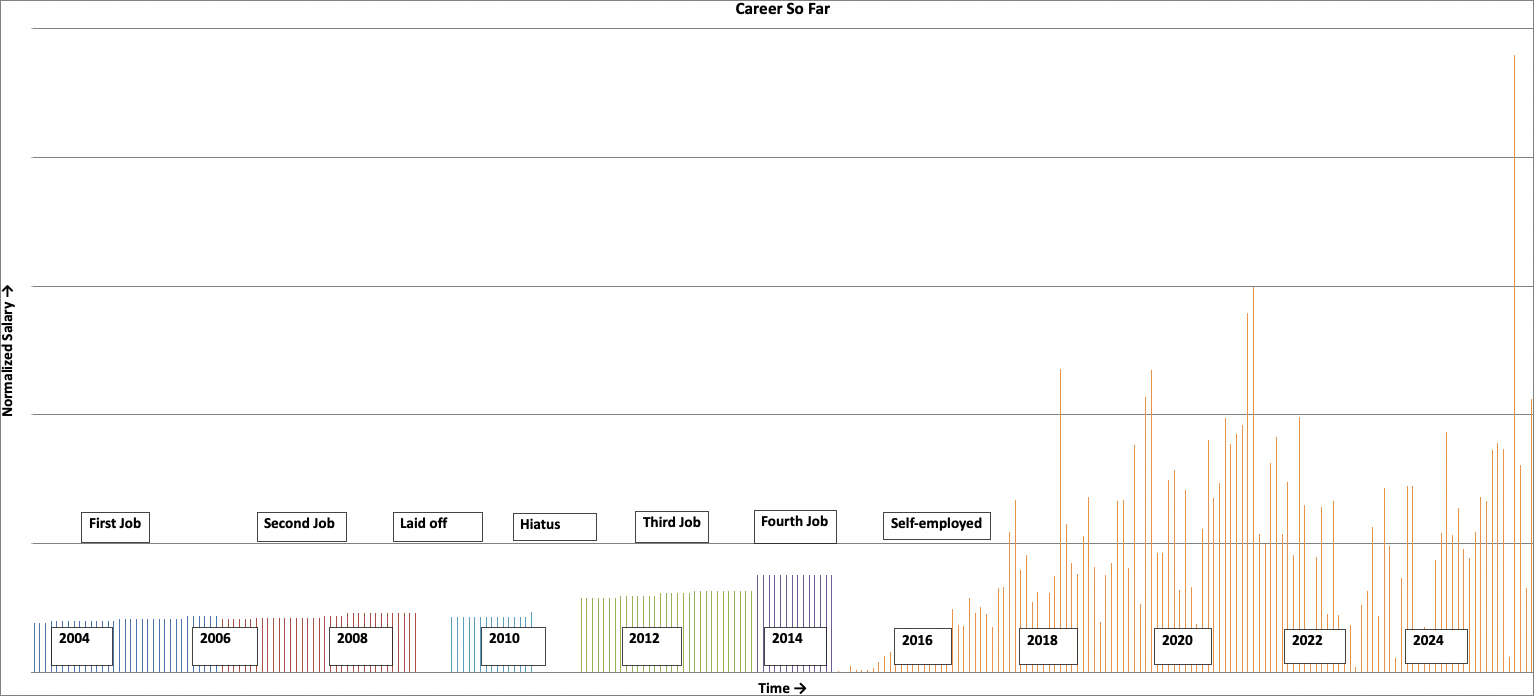
Career earnings to date through 2025

Well, that escalated quickly.

I felt like I was being a little optimistic with a 50% YoY growth goal, and I ended up around 70%. I set that goal around Christmas last year (2024) after a busier-than-expected December so I thought I may have been feeling optimistic. Nope—I actually under-shot.

This December was really busy as well. Not sure what’s going on there, but it seems like I might need to update my impression of the seasonality in my business to account for faster-paced Q4s.

I have learned to be cautious about extrapolating short-term results into long-term trends, so I’m withholding maximum optimism for at least one more year. But if 2026 is as good as (or better than) 2025? Safe to say the business is back and better than ever.

Stats

Here are the stats that I typically track:

  • Visits to FearlessSalaryNegotiation.com: 87,000 (down from a reported 160,000 in 2024)
  • Unique page views: About 140,000 (down from about 250,000)
  • Total email subscribers at the end of the year: About 22,000 (down from about 24,000)
  • Product sales through the site: About 25 (slightly up from 20)
  • Coaching applications: 95 (up from 80)
  • Coaching clients: 26 (up from about 17)
  • Coaching conversion rate (from prospect to client) was 27% (up from 21%)
  • Coaching revenue was up about 77% year over year.
  • Overall revenue was up 70% year over year.

For a long time, my business literally ran on SEO, but the bottom fell out alongside the Big Tech layoffs in 2022. Simultaneously, there was an influx of other companies creating content that crowded out my own content.

While it’s discouraging to seemingly lose something I worked so hard to build, the important thing to recognize is that the stats I really care about are the ones that are improving. Obviously, the one that matters most is overall revenue, which grew by 70%. And that follows from the increase in coaching clients and an increase in average revenue per client.

Yes, website traffic is down, my email list is smaller, and product sales are down, but those are essentially legacy stats that were much more important when I was running a higher-volume business. Early on in the business, I literally kept an eye on stats like “revenue per unique organic visitor”, “revenue per email subscriber”, and “modal time between email subscription and product purchase”.

As I have shifted to the luxury strategy, the stats have shifted to look more like a luxury business, namely “average revenue per client”. I like this stat because it also tracks directly with “average additional earnings for my clients”, which is the primary value proposition for my business.

Zooming out, my net revenue this year was almost 94% of what it was in 2021, which was my best year ever. But my coaching revenue this year was about 5% higher than it was in 2021 while product revenue and partnership revenue dropped off by quite a bit. That’s pretty much exactly what I would expect to see for a business transitioning from a higher-volume model with a mix of products and services to a luxury model that is laser-focused on high-end services.

I spent many years building up my SEO profile, and that served me well. Now I am building a luxury brand, which I believe will serve me better.

I also still get quite a bit of use from the SEO work I did because it turns out that LLMs like my content and I have booked clients via ChatGPT’s and other LLMs’ recommendations. I also have many more “returning client” and “referral” entries than I ever have before. It used to be that “Google” was almost always the source for new clients, and now there’s a much broader mix of things.

New “best month ever” mark

My previous best month happened in November 2021, breaking the record set in October 2021. September of this year is my new “best month ever”, exceeding October 2021 by about 60% and getting pretty darn close to matching the previous best two months combined. Some of that is just random timing—I happened to have my biggest result fee yet and that client decided to just pay everything in September—but timing is always a factor that affects monthly swings for the business. My worst month this year was August for the same reasons.

Pretty neat to go from “My business is struggling. Here’s my plan to save it.” two years ago to “New best month ever by 60%!” this year.

The fiduciary-ness of it all

Last year, I briefly mentioned that I had a very big negotiation that didn’t close when we were right at the finish line. I was pretty sure that was not because of anything I did, but just because the two parties were not going to find a mutually beneficial agreement.

Still, I couldn’t help but wonder: “Did I screw this up?” I was pretty sure there were a couple moments where I could have facilitated an agreement, but I did not think the available agreements aligned with my client’s priorities or were in my client’s best interests.

I am very lucky that I got to talk with that client recently (because he referred someone else to me) and he confirmed that he was extremely happy with the outcome and felt that everything we did was perfect and that the result was totally acceptable and even ideal.

I don’t always get such clear feedback on difficult situations, and I’m grateful that I got that feedback here.

My North Star is to do what’s best for my clients, behaving as ethically as possible. That doesn’t always lead to the best short-term result for my business, but I believe it will drive better long-term results.

The focus on high earners and executives is paying off

A couple years ago, I started to push hard to move my business to a luxury brand focused on helping high earners and executives.

The first big shift was to “high earners”, which I designated as folks making $400,000+. At the time, that felt like a pretty big risk: While I had worked with a number of people in that income range, I had mostly worked with people making less than $400,000.

“Are there really enough people making that kind of money who I can help?” That was my main concern, and it’s always a risk when niching down.

Turns out that yes, there are plenty of high earners and they’re eager to work with a professional salary negotiator. That shift was very slow and intentional, but it is absolutely working and it was the right move.

Slowly moving to luxury

I continue to make incremental changes to the business to shift more and more toward a luxury brand and experience. I’m going to unpack that a little bit for posterity, but also for those who might be curious what I’m up to.

One slow-burning change has been a continual simplification of pretty much everything. For example, the Fearless Salary Negotiation homepage used to be a longer-form page with lots of social proof, links to articles, product offerings, etc. Now it’s an extremely short page that is laser-focused on who I am, who I help, and how I help. There is a singular call to action: “Contact me today”.

That’s it. Very simple and direct. People who see that either think, “This is for me and I want to talk to Josh!” or they don’t. Most people—the vast majority of people—who see my homepage will probably decide that I am not the person they’re looking for. That’s by design and it seems to be working very well.

I have also drastically simplified my overall menu of offerings from my book, several other products, and a few variants on my services down to … well, down to basically one service: Salary Negotiation Coaching for High Earners. In 2025, I slowly pared back my website so that it’s harder and harder to find or buy products of any kind. Soon, I plan to just eliminate those options entirely and totally exit the product (or “info-product”) business.

The one exception is Salary Negotiation Mastery, which I still offer as an alternative to working with me for people who aren’t ready yet. Again, this is an example of simplifying and shortening. That sales page used to be a long-form info-product sales page and now it is not. I will probably tweak this over time, but I like the shorter, more focused page.

Here is how I would describe the higher-level meta strategy for this change: At first, I thought of my business exclusively as a high-volume product business. Then I added coaching. Then I flipped the overall concept to be a coaching business that also sold products. Those products and the coaching itself were essentially a “product ladder”, which would enable people to find a low-cost, high-value entry point (usually a free download) and use that to validate the value of my work. Eventually, those folks would hopefully buy a product, then possibly another product or a more expensive product. And sometimes those folks would hire me to coach them—the top of the product ladder.

Now, I see my business as a very specific, narrow offering of “Salary Negotiation Coaching for High Earners”. That’s it. I am the best at what I do, and I’ve helped hundreds of people significantly increase their earnings for over a decade now. For people who want to work with the best, I’m here to help. Once we talk, I’ll either recommend you work with me or that you don’t. For those who are good candidates for my service, but who aren’t quite ready to work with me, I offer Salary Negotiation Mastery.

Other shifts I’ve made over the past year or two to support this luxury focus are:

  • A simplified Negotiation Fee structure that is identical for everyone: $4,000 Strategy Component, 10% Improvement Component
  • I don’t collect any fees until after our work is complete
  • We start working when you sign my Letter of Engagement
  • There is no application or other barrier to talking to me—anyone can book a call with me to explore working together
  • You hired me to help you optimize your offer and de-stress the negotiation process, and that’s what I’ll do

I have now had several people say, “I looked at the options out there, and I know you’re more expensive, but I want to work with you because you’re the ‘executive comp’ guy.” That’s a very strong signal that I’m moving in the right direction.

Completing the shift from “Done With You” to “Done For You”

That last bullet point above is another important shift that I’m working on right now, and is worth elaborating on.

Everyone is familiar with “Do It Yourself” (AKA, DIY). There’s also “Done With You” (DWY) and “Done For You” (DFY). Those three are basically service tiers from “you’re on your own” to “everything done on your behalf”. In general, luxury brands are focused on “Done For You”, and they sometimes actively exclude any kind of DIY or DWY. In extreme cases, there is literally no customization or customer input at all—they either buy the product or service as-is, or they do not. That would sound something like, “We make 100 of these per year. They cost $100,000 each. If you would like one, then send us a deposit and we will put you on the list for the next available slot, which is in three years. The deposit is non-refundable. There is no customization, and there are no refunds or returns. Let us know if you would like to proceed.”

At first, my business was almost exclusively DIY (products). I say “almost exclusively” because I was available for email support and am sort of compulsive about helping people and replying to queries in my inbox, so I would still help people if they needed it, but mostly thought of my offering as DIY.

Then I started offering coaching, which I approached with a DWY mindset: I was the coach, which meant that I would try to get the best result, consult with clients along the way, and try to teach them how to do what I did so they would learn a new skill. This followed very nicely from all of my products, which were teaching them a new and valuable skill.

Over the past couple of years, as I have shifted more and more to a luxury offering, I have also shifted to a DFY approach. My clients interact with recruiters, CEOs, Hiring Managers, etc., but those interactions are more or less scripted by me for their benefit. I still collaborate with my clients because I need to know what they know, but I am more focused on de-stressing a difficult situation and getting them the best result than I am on teaching them how to negotiate on their own. I think the clients I was working with years ago wanted that—to learn how to negotiate—but I do not think the clients I work with now really care about that. They’re busy and not looking to learn a new skill; they just want to optimize their comp package before they sign on the dotted line.

This is one of the more challenging parts of this transition just because I like teaching people so much. I still do teach them things, but that is not my focus. This is a logical place to end up, though: Even thinking back on my first-ever coaching client—who had a copy of my book and whose spouse I had coached while I wrote my book—when I asked her why she hired me instead of just doing it herself, she said, “I just wanted you to tell me exactly what to do for my situation.” She did not say, “I wanted you to tell me what to do and teach me how to do it.” I did that on my own as a value-add while I grew the business. I think that feature just isn’t needed anymore, and might even be a detractor for people considering hiring me.

2025 Year in Review – Personal

What a great year! Obviously, the success of the business makes this easier, but that’s never a guarantee. In many ways, this year was more of the same, which is great.

Lille, France – My first vacation in a couple years

Thanks to the previously-reported business slump, I had not been on vacation in more than two years. This summer, I finally felt like I had enough margin (both time-wise and financial) to finally take a trip.

It helped that I had a bazillion unused Amex points, giving me lots of free flight options.

I have some friends who lead a study abroad program In Lille, France every summer, and they invite me to go hang out there every year. I finally took them up on it and joined them for about 10 days.

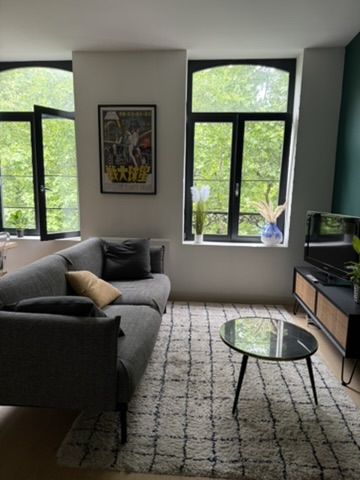
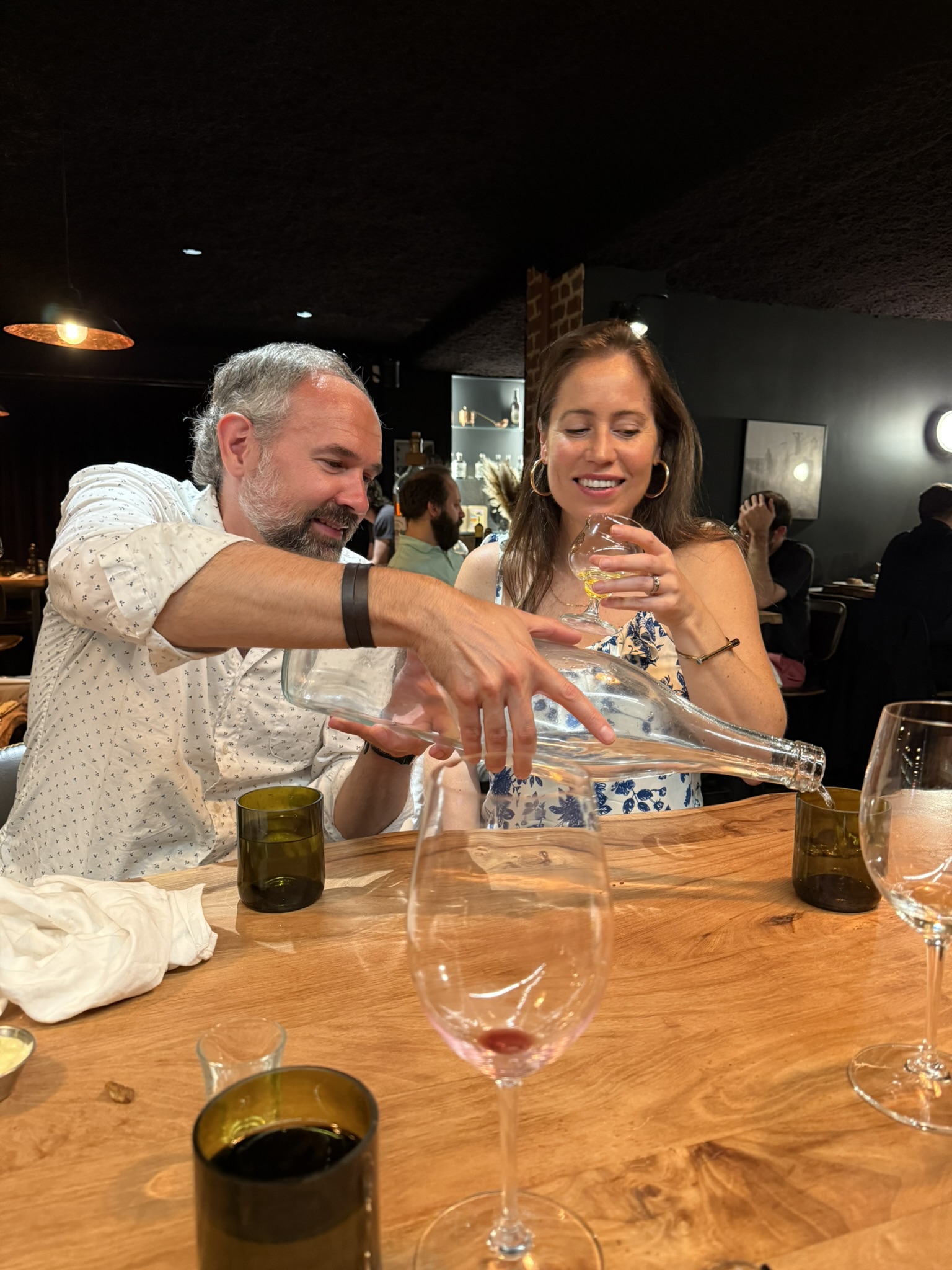
It was exactly the kind of vacation I like and just what I needed. I got an Airbnb right across from the Lille equivalent of Central Park, and spent a lot of time walking around the city and writing in the park. I wrote treatments for three book ideas I had been batting around and used ChatGPT to decide which project might be best to pursue. I narrowed it down to two projects, which are both promising in different ways.

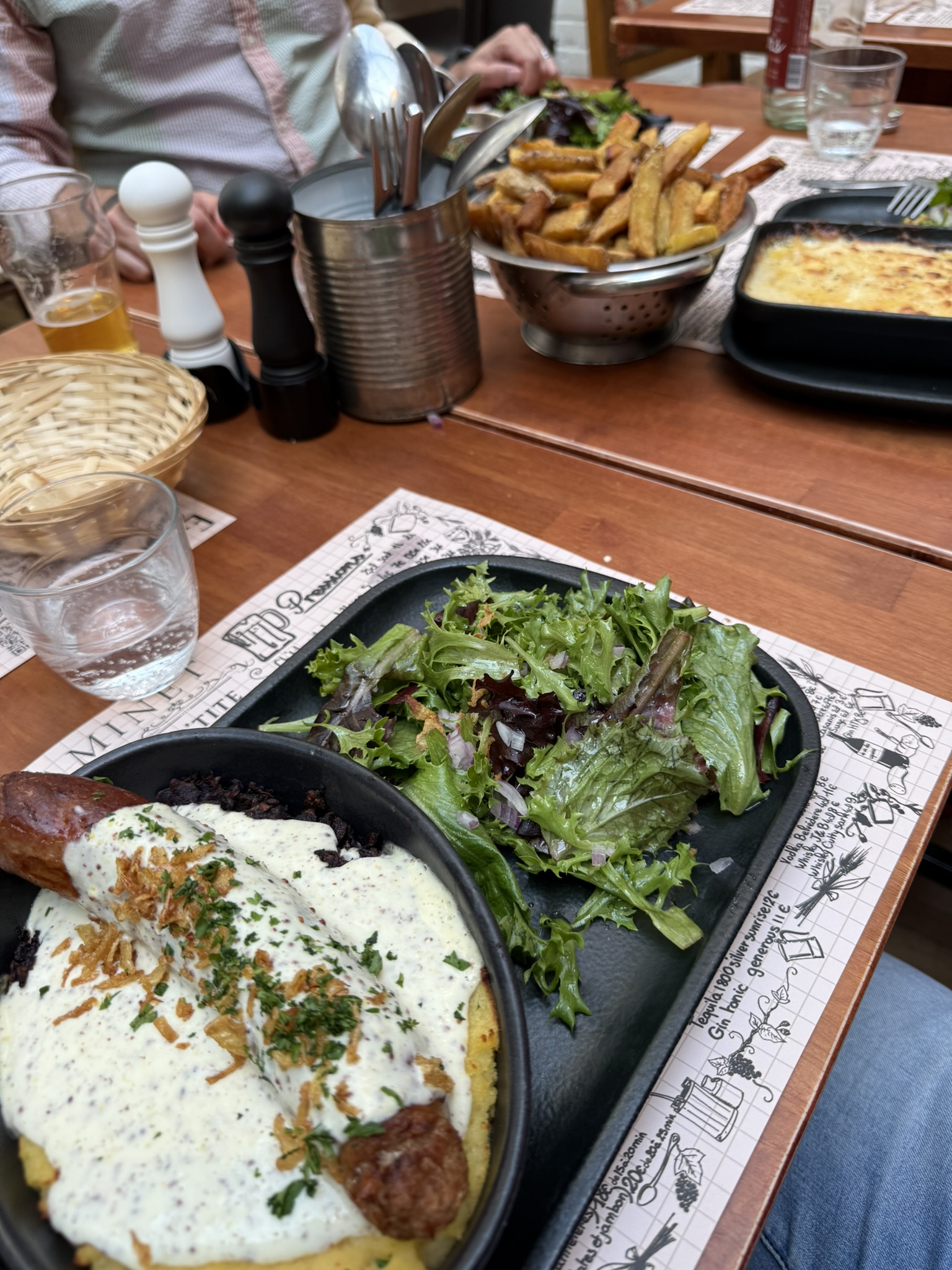
I also ate some pretty good food and really enjoyed just hanging out in France where the sun set every night around 10:00 PM. I say “pretty good” food because the food was not what most people probably think of when they think “France” (because they’re probably thinking, “Paris”). Lille is way up in the north of France, very close to the Belgian border, so the food is very Flemish and heavy. That’s probably great in the winter, but really heavy Flemish stew with cheese-and-cream-forward dishes don’t hit the same when it’s 85 degrees outside and there’s no air conditioning to be found.

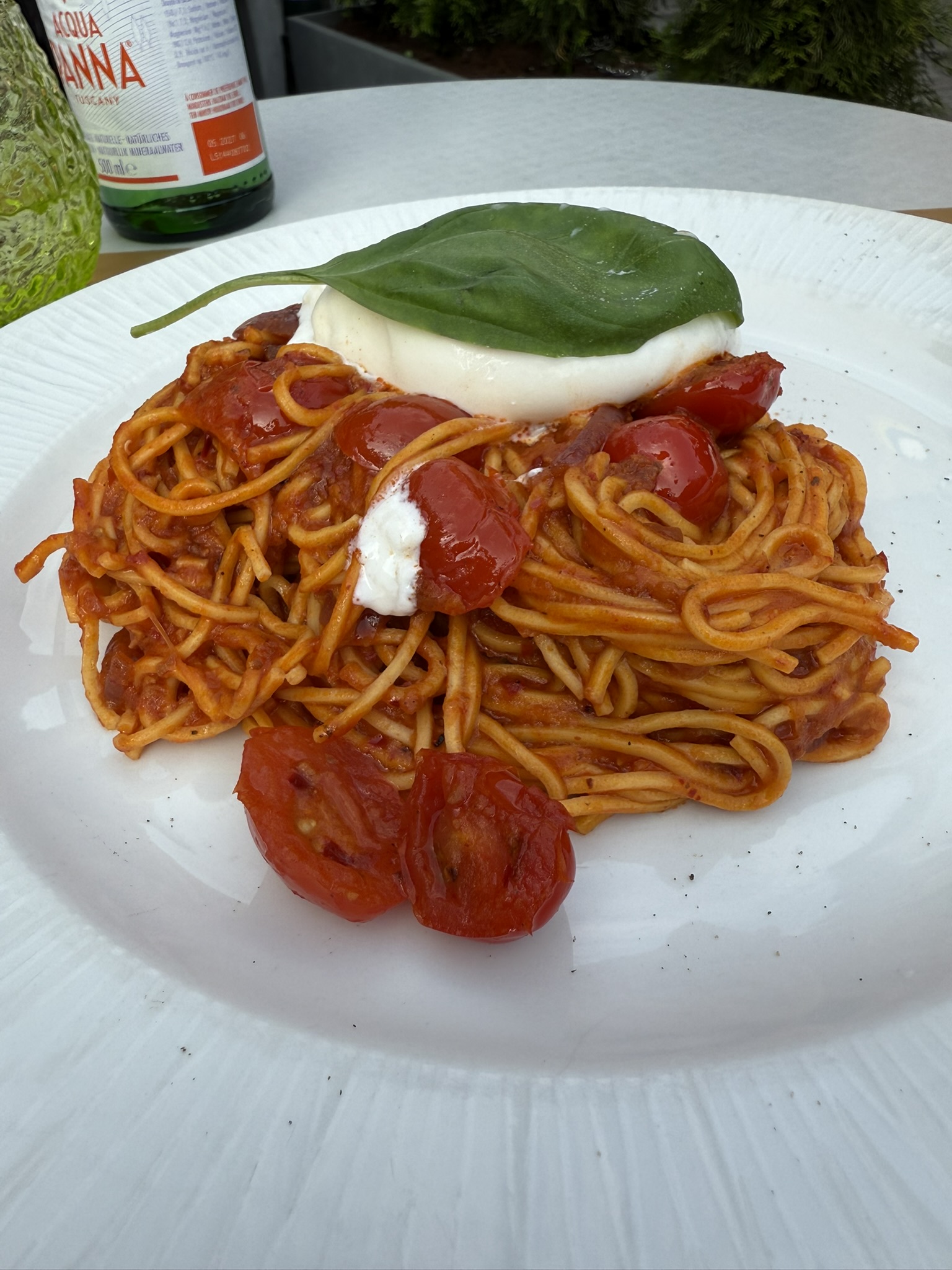
Still, the town was amazing and I got to go see a World War 1 cemetery and memorial in Belgium, which was awesome. I also spent a couple days in Brussels, where I enjoyed one of the best Italian meals I’ve ever had (sounds weird, but there just happened to be some Italian ex-pats who opened a restaurant there, and it was amazing).

Hopefully I’ll get at least a manuscript for one of those writing projects done this year, though I’m not sure this rises to the level of a goal for 2026. We’ll see.

While I’m here, a little easter egg for the few people who actually read these Year in Review posts. The two main book ideas I’m batting around are:

  • A book about building a luxury business for people who may not be at all familiar with luxury brands or how they work. There are a few good textbooks about luxury brands, but there aren’t really any modern how-to books. I think I could write a decent book on how to build a luxury business.
  • A book about how to be hospitable, specifically for introverts. That’s intentionally ambiguous as it would be about how an introvert can be hospitable, but also how to be hospitable to introverted people.

If either of those sounds particularly interesting to you, let me know. If neither sounds particularly interesting to you, let me know.

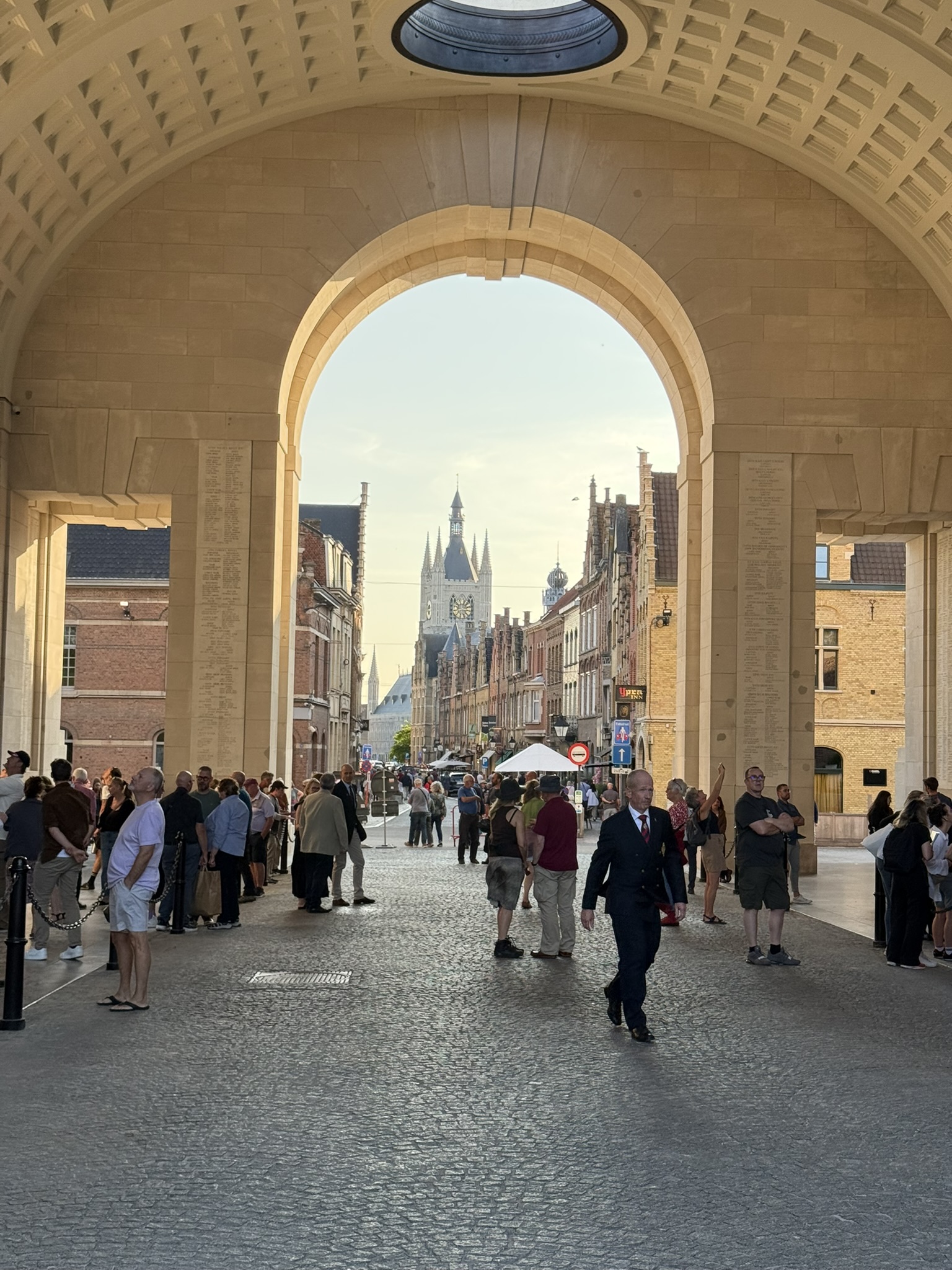
A neat little mall space in Brussels
A neat little mall space in Brussels

The Welsh fare in Lille

The Welsh fare in Lille

The view from my Airbnb in Brussels
The view from my Airbnb in Brussels

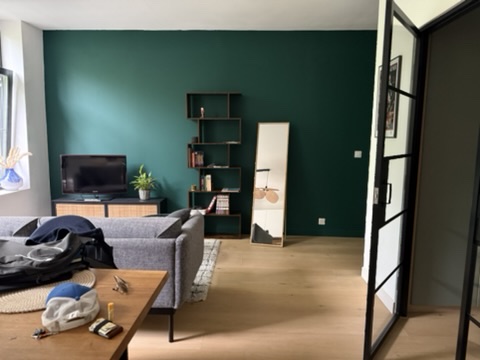
My Airbnb in Lille overlooking the park
My Airbnb in Lille overlooking the park

My gracious hosts
My gracious hosts

The World War 1 Memorial in Belgium
The World War 1 Memorial in Belgium

Another shot of my Airbnb in Lille
Another shot of my Airbnb in Lille

One of the best Italian dishes I've ever had

One of the best Italian dishes I've ever had

A street in Lille

A street in Lille

Pickleball progress

My current goal is to get to 4.5 and my stretch goal is 5.0. Pickleball ratings are basically on a bell curve, meaning that marginal increases get harder and harder to achieve the higher you are on the scale. Getting from 4.0 to 4.5 is not easy but is significantly easier than 4.5 to 5.0. So any progress is meaningful.

I have been really grinding to improve my game. That means a lot of practice on my Pickleball Tutor, focusing on specific shots to improve weaknesses and gaps in my game. That work is paying off, but it’s slow progress.

Bottom line is that it’s just difficult for me to improve because I had no racket sport background before I started, and because of all the depth perception and light-contrast issues I’ve written about before. There is virtually no part of improving at pickleball that is natural or easy for me, so I just have to grind away to make small improvements.

Which is fine. As long as I’m improving, I’m good. At least twice this year, I played in a game with someone who hadn’t seen me play in a long time and they later said something like, “Whoa. He’s way better than he used to be.” That slowly opens doors for me to occasionally get into better games (as a backup to a backup or something), which will help me improve a little faster.

Third shots

One thing that was holding me back in 2024 was my third shot. I was just doing it wrong. Sometimes, it would be pretty good, and other times it would be really bad. So I had to break it down completely and rebuild it. That took … a while. I estimate that I hit 10,000+ third shot drops on the Tutor to get it grooved in.

Now it’s one of my best shots. It’s very reliable and I can use it as a way to manipulate point structure.

Other shots

My dinking has also gotten very good, especially on the left side. I can pretty much move the ball around wherever I want, often hitting a series of shots to set up a winner for me or my partner. That’s pretty cool.

My serve is my best shot and has been for a while, but other shots are starting to catch up.

I’m to the point where I’m just selecting one weakness at a time and working on it until it’s no longer a weakness. For example, I realized that my volley dinks weren’t great because I had never really worked on them. I got good at dinking because I drilled with a partner who is very good at pickleball and dinking. That’s good because I can handle aggressive dinks, and dink patterns that move me around a lot. But because he’s so good at dinking, he rarely gave me volley-able dinks to work with. I’m just used to having to let his dinks bounce because I would normally be reaching too far to volley them.

Well, the games I play often have many volley-able dinks. But since I hadn’t worked on that skill, I would just have to let them bounce anyway, which is a sort of double-whammy: I missed opportunities to volley and take control of the point and I was often back-footed because the ball traveled so far.

After five or so sessions on the Tutor, my volley dinks improved dramatically and are no longer a weakness. It’s a very subtle thing, but meaningful.

Now I’m working on resetting from the transition zone. That’s just a gap that I have never spent time on. Now that I’ve worked out some other weaknesses in my game, this is a glaring weakness that needs to be addressed.

Slow and steady.

Joining an advisory board for a startup

I wasn’t sure whether this would be considered “Personal” or “Business”, so I’m just putting it here.

A friend of mine has a seed-stage startup called Rovex and he asked me to join his advisory board, specifically to advise on business and negotiation strategy. This is cool because it’s a nice example of doing something for fun that turns into something more.

Since my friend had the idea to start the company, we’ve talked about the concept, execution, roadmap, all that stuff. And as he began hiring for key roles, he would loop me in to talk about which roles to focus on and how to think about compensation.

Obviously, my day job is helping candidates negotiate job offers that are extended by businesses. But this is a chance to flip that on its head and consult with a company on how to think about compensation for early-stage hires.

On its face, this might seem like a sort of conflict of interest, but my philosophy has always been that compensation done right is good for everyone—the candidates accepting the jobs, and the companies employing them. Candidates get paid what they’re worth, and companies get good candidates and have lower attrition rates in the long run.

For an early-stage company, incentive alignment is extremely important. That means sometimes coming up with creative compensation packages that align everyone’s incentives in a productive way.

This is just a natural extension of what I’ve been doing for a decade. Advising on the business side is really fun as well. It’s cool to have an indirect impact on what could eventually be a big tech company.

The Gator Basketball team is good again!

Almost exactly a decade after Billy Donovan moved to the NBA, Gator Basketball is finally good again! What Todd Golden has done in just three years is really remarkable. He had never even won a Tournament game before, and then he ripped off six straight to win the Natty.

His approach to coaching is extremely analytical, which I love, and he is excellent at developing players. It’s been a long, long time since I had anything good to say about Gator sports, so it’s nice to have another Title to celebrate.

2026 Goals

Ok, it’s time to look ahead to 2026. I’ll keep it pretty brief this year, I think.

Maintain or grow the business

I was pretty darn busy this year, and my business isn’t really designed to “scale” per se, so shooting for another 50% year-over-year growth year might be a little ambitious.

There is a path to growth, but that would be via two potential mechanisms:

  1. More clients. I was consistently busy and close to capacity for a good amount of the year, but not at capacity.
  2. Larger average deal size. This is sort of happening naturally, but working on bigger deals could bump revenue. I might be able to induce this to happen quicker, but I think it’s naturally happening on its own and I’m inclined to just let it happen organically.

Improve to 4.5 at pickleball

This is doable this year. I pretty much know what I need to improve to get there, and going from 4.25 to 4.5 is not a huge leap. I’ll be disappointed if I don’t hit this, and I think there’s a chance I exceed it by a little bit.

I suspect that somewhere around 5.0 is my ultimate ceiling, but we’ll see.

Write a manuscript

I have two book ideas that I’ve been knocking around. Both of them would be fun to write, but they are very, very different. So I just need to pick one and work on it. I think I’ve made that pick and started one manuscript a few months ago, but I’m not so deep into it that pivoting is off the table.

Find one new go-to dish to cook

Re-upping this from last year because I just didn’t get it done. I have actually set up a little learning plan with ChatGPT to teach myself the basics of cooking, so I just need to follow that plan.

I can make pretty good dishes, but they’re all just me executing a good recipe as opposed to me knowing how to cook. My plan with ChatGPT will make me a more competent cook.
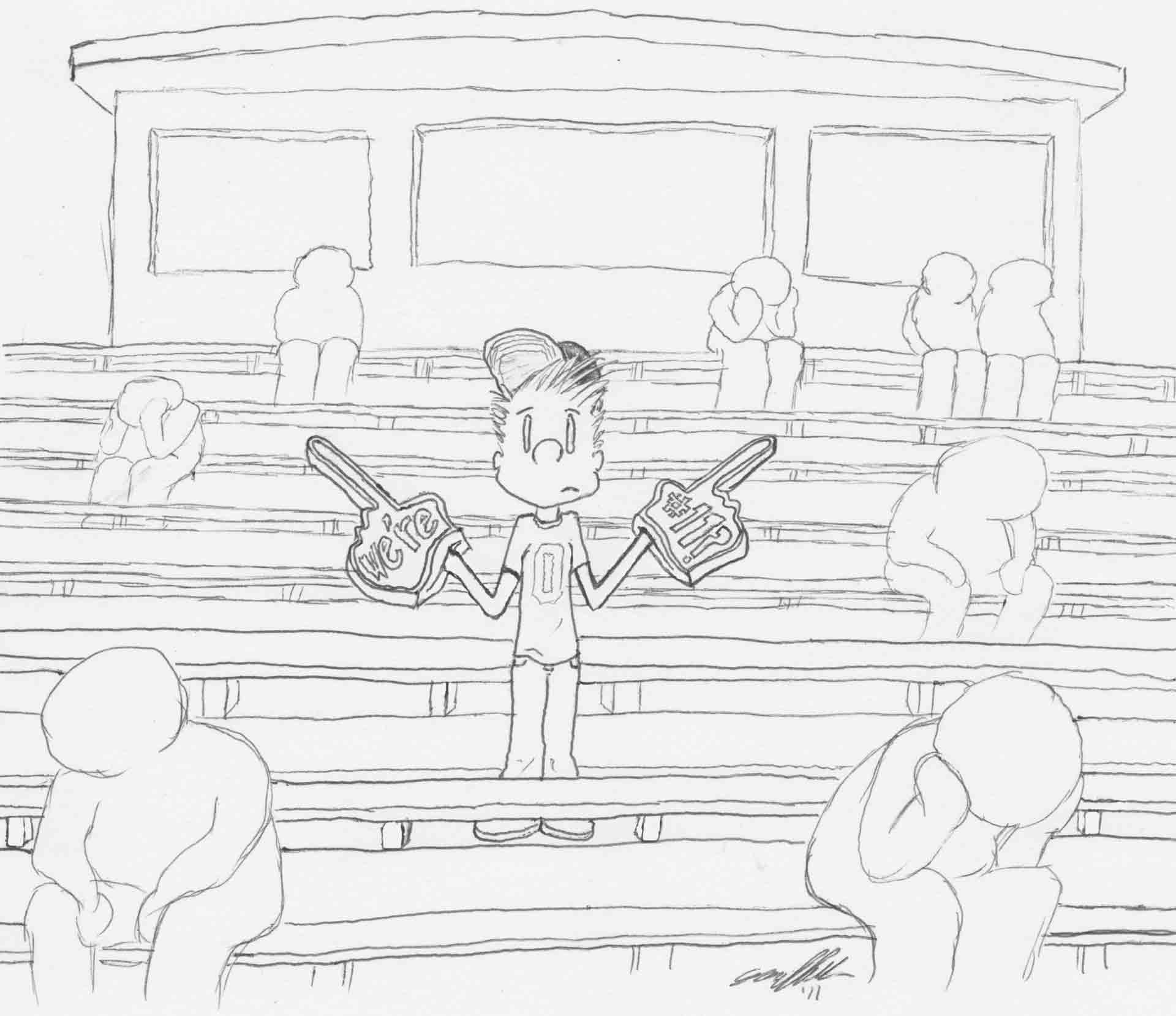
The Fair Weather Fan: A triumph of sports marketing

A Fair Weather Fan
A Fair Weather Fan

Illustration by Sean Nyffeler *

Part of the American ethos is that we should love sports, and that we should love particular sports teams. This goes all the way to the top: George W. Bush recently threw out the first pitch at a World Series game, and next March will bring hours of coverage of President Obama’s bracket for March Madness.

A good way to get a funky look is to go to a Chili’s and tell someone you “don’t follow sports.” If you’re lucky, they’ll pity you. If you’re unlucky and they’ve had a few drinks or recently seen their favorite team lose, you could be berated and publicly mocked for your lack of culture or cojonés. If you’re really unlucky, you could be punched in the face or even forced to drink a generic light beer (it’s definitely possible that I’ve been watching too much of The League lately). Only slightly less repulsive than a sports non-follower is the agnostic sports fan. “Who’s your team?” “I don’t really have a team. I just like watching the games.” He probably won’t be berated or flogged, but he’ll almost certainly hear a guffaw or see a smirk.

But among the upper crust of American society, among Die Hard Sports Fans, the most reviled group of fans may be those of the fair weather variety. Not to be confused with bandwagon fans (although they’re not mutually exclusive), the Fair Weather Fan is one who ostensibly “has a team”, but who only roots for his team when it’s doing well. Not winning Super Bowls or World Series rings recently? Then the Fair Weather Fan is nowhere to be found. He’s not off rooting for some other team, he’s just not rooting for his team since they’re no good right now.

To some sports fans, being called a fair weather fan is one of the more flagrant offenses. “I’ve been rooting for this team since they were awful! My father lived and died without ever seeing us win a ring!” He wants you to know that he has suffered. He was there when they were awful. He went to the games. He’s witnessed heartbreak. Repeatedly.

Let’s step back and look at sports objectively, as a product. The not-best way to do this is to create a character who isn’t me, but is a lot like me and speaks in the first person. So I’m going to use this device for a little bit:

It’s Game Day. I go to the stadium, and I pony up $50 to see the game. I pay $5 for a hotdog. I pay $3 for some Gatorade. I pay $5 for some cotton candy because I have a sweet tooth and I can’t not eat sweets when I see them. Sue me, ok? If we win, I’m really happy that I spent $63. But we don’t win. We lose and I’m pissed that I just blew $63 on such a crummy game where I ended up with a nasty stomach ache.

Next week, we’re playing again. Yeah, I blew $63 last week on a loss and a stomach ache, but you know what? I’m going again because I’m a fan, ok? I put up another $50 for a ticket, and some more for concessions that most children could make with a dollar and some unsupervised time with a stove (No, not an Easy-Bake Oven. You can’t make authentic sports-stadium concessions in that. I’m talking about a real stove, manned by a real child.). We lose again. This one stings because I’m pretty sure some of the cheerleaders got playing time in the second half. I’m not even sure My Team is trying, ya’ dig? Now I’m out $120-something and I’m starting to get an ulcer from all the stress and bad food I’ve been eating. In a moment of clarity, I look at our record for the past two seasons: we have two wins. That doesn’t seem too good. I’m a big fan of My Team and everything, but two wins seems… maybe a little on the weak side?

Ok. We have another game in two weeks. I’ll need to work overtime and do a Miracle Cleanse to get ready for the game, but I can do it. I can get the money together and hopefully my gut will be back to normal by then. But you know what? I’ll be honest here: I’m having second thoughts about this one. I’m not sure I want to spend a bunch of money on a game we’re probably going to lose. I haven’t even talked about how I have to spend the whole day getting ready for the game, going to the game, getting home from the game. It’s a big investment, and I’m just not sure I want to make that investment again right now. Maybe if we were winning these games, but man we’re losing almost every game.

Why are you shouting at me? I think you just got some spit in my eye. You seem pretty worked up. Are you ok? What does that giant vein in your forehead mean? I’m just trying to explain what’s going through my head as I decide whether I want to go to this next game.

So that poor guy (who, like I said, isn’t me at all) just got chewed out for not being excited to pony up $60 to go see his favorite sports team lose again. That fella is dangerously close to sliding down the slippery slope that is Fair Weather Fandom, which is probably really miserable even when compared to the Island of Misfit Toys or the infamous Ugly Island.

Here’s the thing about fair weather fans: they may be much smarter than full-time, rain-or-shine, been-there-through-the-hard-times fans. You want efficiency? They are it. We’d never know that by listening to sports commentators or reading sports writers or talking to our other sports-fan friends. Still, it’s true.

Sports aren’t manna from Heaven. They aren’t a gift from God or Goodell. They’re products produced by businesses to make money. They’re products we buy. They’re products used to sell other products. We pay for them, we consume them.

Most of the time, we’re very discerning about how we spend our money. If we buy something and it sucks, we don’t buy it again. Or maybe we buy it just on more time to make sure it really was that bad. But that’s it. If it’s bad again, we’re done buying that thing. Unless it’s a ticket to a sporting event. In that case, we proudly buy our ticket and tell our friends that we were there through the lean times. It’s a badge of honor to tell stories about going to the games we were guaranteed to lose. “I went to every single game in 1975. We didn’t even have a quarterback that year, and our team’s contract stated they weren’t allowed to play more than one series in the second half!” That guy was really dedicated to wasting a bunch of time and money on something.

When fans decide their Favorite Sports Team sucks and they’re not going to keep spending money and time watching them suck, it isn’t the fans that are broken. The product is broken. It’s ok to make a rational decision to not waste money to go to games that probably won’t be any fun. That’s the smart thing to do. The more I think about it, the more I think that “Fair Weather Fan” isn’t a scarlet letter, it’s the mark of a rational, thinking person who has better things to do than dump money and time into a company that’s selling an inferior product.

So how did we get here? It’s one thing to point out that being a fair weather fan isn’t as stupid as we’ve made it out to be. But why do we hate fair weather fans? Because sports marketing is just that good. The entire sports industry (the same industry that brought you multi-day draft coverage, dedicated sports news networks, entire panels of people paid to discuss a “fantasy” version of a sport, and wall-to-wall coverage of player-versus-owner business negotiations) has successfully convinced us that we’re not buying a product. Sports are ethereal, a gift sent down from Mount Olympus to entertain man and make his life better. You don’t know who won the NBA Finals in 2005? That’s probably because you’re just not living a very satisfying and complete life. You’re working the full day on Monday? That’s only because your life is terrible and you haven’t found the wonderful world of Monday Night Football. What are you going to talk about on Tuesday? Your life or something? Your kids? That’s so lame, man!

Sure, you have to pay money to go see sports, but that money isn’t buying you a product, it’s buying you an experience. You get to hang with your friends, tailgate, drink yourself sideways, and tell stories the next Monday at work. Sure, there happens to be a team playing on the field, but that’s totally ancillary and almost coincidental. What you’re really buying is an experience, a collective opportunity to create a mass-memory that’s shared by you and everyone else who went to or watched that particular game. The irony, of course, is you could create your own memories for free. No, they wouldn’t be memories (fuzzy as they may be) of tailgating and football games, but they’d be a whole lot cheaper. And yet the geniuses (I’m not even being sarcastic there) who market sports to Americans have convinced us to pay for the privilege of creating memories with our friends, often at crummy sporting events.

Pretty clever, right? I’ve totally cracked the code!

Here’s the real kicker, though: I’ve watched all the Gator Football games this season. I watched some of them by myself at home. I just dropped $50 to go watch the Gators get killed by Alabama in The Swamp, and I might go to the Florida/Georgia game again this year. I’ve been to a lot of Florida sporting events. I’ve probably been to something like 60 football games, an SEC Championship game, some bowl games, dozens of Gator Basketball games, a Final Four and even some Florida baseball games. I don’t even like baseball. One year, I traveled back to Gainesville from Dallas just to watch the Gators in the Final Four with my friends… on TV! Why? I was making memories and stuff, but I also don’t want to be called a fair weather fan. I don’t really want to go watch us lose games when we’re bad (and we’re bad at football this year), but I don’t want to miss anything either. I’m fully aware that the idea of the Fair Weather Fan is totally manufactured and contrived, and yet I still don’t want to be called a fair weather fan. That’s totally nuts. The Fair Weather Fan really is a triumph of sports marketing; it transcends all reason and rationality.

But it is what it is, and I can’t wait for the Gator Basketball season to get started. You know we’re ranked Pre-season #10, right? We could be pretty good this year.

* Special thanks to Sean Nyffeler for his great illustration. You should read his stuff over at Popcorn Noises.

Hurraz!

I’m pretty much speechless. We won another title, and I think Gator Nation is just trying to take it all in and enjoy the moment. We may never win another one, so now’s the time to enjoy it.

Go Gators!

In ATL for the Final Four

I’m up in Atlanta for the Final Four. Last year, I flew from Dallas to Gainesville to watch the games with my buddies. As soon as the tourney was over, I started pricing Final Four tickets for 2007 and making plans to get to ATL for the games. Being in Gainesville was awesome, but there’s nothing like actually being there.

So, I’m “there” and it’s awesome. Before the tourney, I had us as 50/50 to repeat (that seems conservative, but I thought it was pretty generous considering we were only 1/65 of the field). Now? I’d say we’re about 4-to-1 to repeat (and I feel that’s pretty conservative). We looked really good tonight, and we seem to be up for almost any challenge. Since we already beat OSU (yeah, they’re a different, more mature team now, but we’ve improved a lot too) by 26 in December, I feel pretty confident we can do it again.

Billy D. to UK? Not a chance.

Billy D. isn’t going anywhere. He’ll “think” about it for a few days, but then he’ll announce he’s happy in Gainesville and he’s enjoying being a part of such a promising program that is still growing. He’ll talk about how great it is for his family in Gainesville, and he’ll hint that it would be nice to have some better facilities for the team. He won’t turn down the contract extension this time, either.

UK essentially just canned a very, very good coach who has had a rough few years. Any coach can have a few bad years (we were out of the tourney after the first weekend five years in a row), and I think UK overreacted. Billy walks on water in Gainesville, and he’ll have a pass for several years, regardless of what happens. Why move to a town where expectations are so high and patience is so low? Most importantly, I think, why would Billy leave a dynasty that he is currently creating to try and revive a dying dynasty in Lexington?

One more game

I’ve been saying for a while that this team will go down as one of the best ever… but only if they repeat. This team has five thousand-point scorers, potentially something like six or seven future NBA players, three SEC championships, tons of school and NCAA records, two Final Four appearances and, so far, one Championship. If they get the win on Monday, they’ll be considered one of the best NCAA teams ever. I’m trying to enjoy every game I see because it’s going to be a long, long time before we see this kind of team with this kind of talent again.

I should mention that Chris Richard would probably be starting at 95% of the schools in the country. He’s been consistently improving this year and has really turned it on in the post-season. He’s included in the “…six or seven future NBA players…” I mentioned earlier. I don’t think he’ll be drafted, but I think he’ll be picked up by somebody, and he’ll be a solid contributor off the bench.

It’s great to be a Florida Gator.

Basketball team improves to a mediocre 2-4

We’ve had two more games since my last post. The first one, we led until just a few minutes left in the game, when our team basically just ran out of gas and couldn’t convert on offense. It was a very frustrating game because we outplayed the other team, but they had a big size advantage and the refs allowed them to beat up on us throughout the game. In the end, they simply wore us down and ended up winning by three (we’d led by as many as 12 in the second half).

This week, we got our second win and it felt pretty good. As with most of our games this year, we jumped out to an early lead by playing efficient offense and very good man defense. We didn’t score many points–30 on the game–but we only gave up 20 points total, eight in the first half. Personally, I had a good game on the “intangible” level, but I only scored two points. I was very tired before the game and I never really had my legs under me. I took a few three-pointers, but it didn’t take me long to realize it was going to be tough to hit them since I was so flat. I started head-faking a lot and that allowed me to dribble-penetrate into the paint and get easy looks from close-range or dish out to an open teammate. I typically chose to pass because I wasn’t having much luck with the inside shots. My only points came on a head-fake where I drove all the way to the hoop and laid it in. It took me too long to realize that I should’ve been dribbling one more time and going for a lay-up rather than pulling up to shoot. Their 2-3 zone was soft in the middle and I wasn’t taking as much as I could from it.

Anyway, we got a win and we’re up to 2-4. We can still finish the season ranked third and get a decent seed in the playoffs if we win out.

Basketball team has fallen to 1-3

Basketball team has fallen to 1-3

The week after we eked through our first game, we got pounded by the defending champs. After a bye, we got beat by a mediocre team even though we were within five points with about three minutes remaining. This week, we lost to another mediocre team by one point even though we led most of the game.

In general our problem can be summed up in one word: Inconsistency. We can’t get the same guys to show up from one week to the next (our roster is nine deep, but we probably have only four guys who are there every week) and that inconsistency leads us to be inconsistent on offense. Last night, I’m pretty sure we led all statistical categories except FG %, FT % and Points. We took a lot more shots than they did, we had a lot more rebounds (especially offensive) than they did and we took probably twice as many freethrows as they did. We played great defense, took good shots on offense, drew a lot of fouls, but simply couldn’t put the ball in the bucket.

Personally, I felt I played one of my best all-around games in a while. I ran Point Guard most of the night and I was very comfortable in that position. My passes were on target and usually to a wide-open man, I don’t think I had any turnovers and I had six points on something like five shots. My six points came on consecutive three-pointers in the first half. Both shots felt and looked perfect and were set up because my team got me the ball when I got open on the weak side of the floor. I’m pretty sure I only had three points scored on me, and my defense was pretty solid off the ball.

It’s frustrating to keep losing (especially to inferior teams), but I guess we can’t really expect to win if we don’t have the same team from week to week. We need our guys to start showing up so we can start getting into a groove.

New basketball season begins 1-0

New basketball season begins 1-0

Well, the summer basketball league has begun again and most of the usual team is intact.  The previous season’s PPG leader isn’t playing, but we picked up another guy who has some Juco experience.  We started out playing pretty poorly and found ourselves down by 13 early in the second half.  Things started to turn when we finally began clamping down on defense and getting some stops.  We got some turnovers, began executing on offense and starting slowly closing the gap.  Down the stretch, we ran some good set plays, hit some big shots and tied it up to send the game to overtime.  In the two-minute overtime, we outscored them 2-1, all on freethrows.  I felt like we were definitely the superior team for about the last 15 minutes of the game.  It felt good to get the win.

The highlights for me were few.  I only had six points, all on 3-pointers.  The first was in the first half, and it was a nice, high shot over a very tall defender.  The second was pretty critical as it was late in the second half, when we were still down by six.  A player in the left corner passed me the ball and I began to dribble to the top of the key when they double-teamed me.  One defender was a little behind me (on my left) and the other was coming up on my right from the freethrow line.  I dribbled the ball to my right hand, crossed it over behind my back (away from the approaching defender on my right, as he was coming in very low for the steal) to my left hand, pulled up and drained the 3-pointer to bring us within 3.

Anyway, we’re off to a good start, but next week we play the team that beat us by one in the championship game.  It’s gonna’ be a tough game.

114927278307547548

My 2006 Final Four experience: Making a run

For the first time since 2000, we coasted through the opening weekend of the NCAA Tournament. We had home court advantage in Jacksonville and neither South Alabama nor UW-Milwaukee gave us much of a game. Regardless of how we did from the Sweet 16 on out, I think Gator Nation collectively breathed a huge sigh of relief. We finally made it out of the first weekend and we would get to see at least one decent basketball game during the tournament.

Through that next week, I was pretty nervous about the upcoming Georgetown game. Everyone knew they were a good team and they would match up well against the Gators. Their guards were solid, their front-court was big and agile, and their offense was exactly the kind of offense that could take us out of our game plan. The Princeton style offense that Georgetown runs uses the same ideas that Izzo had used to defeat us in years past–slow the game down, take your time on every possession and don’t let the Gators get out and run.

The day of our Sweet 16 game, I recruited a friend of mine, gave him a Gators hat and aggravated him for four straight hours by continuously babbling about great the Gators are. “Man, we’re really fun to watch. I’m telling you, we can really move the ball!” Gator basketball just isn’t the same without other Gators cheering around me. My buddy isn’t a Gator, but I made him an honorary Gator for the evening and he was a good sport about it all. The game went right down to the wire and we finally sealed it when Corey Brewer made a crazy circus shot while falling to the floor as he was fouled. I immediately knew that, should we go on to the Final Four, this would be the requisite game-saving shot that each team needs to go the distance.

That night, we also watched the Villanova game. Seeing them play made me very nervous. This was the team who’d bounced us in 2005 and they were very physical, athletic and their guards could flat shoot. I wondered whether our team could hang with them. They basically just bullied Boston College for 40 minutes and I knew they’d try the same thing against us. The referees were letting them play, and I knew that, historically, we didn’t do well against very physical teams. The reason that Kentucky beat us so many times from 2000 to 2004 was that they just played harder than we did, pushed us around and got into our heads. Villanova would try to do the same thing.

That Sunday, I watched the game from my couch. This time, I couldn’t recruit any other Gators–honorary or otherwise–to join in. This was the most important Gator basketball game in almost six years and I was watching it in an empty living room; it was depressing and exhilarating at the same time. I tried not to get my hopes up, but I’d already started looking at plane tickets to Florida in case we won. It didn’t take me long to realize that we were going to run over Villanova. I almost couldn’t even believe what I was seeing: our team was right in their faces, contesting every shot, and matching their physicality stride for stride. Our guards totally shut them down from behind the arc. This game was a coaching masterpiece for Billy Donovan–all he had were mismatches all night, and yet he found a way to stop them from scoring and ran a coherent, effective offense against their swarming guards. All of a sudden, we were going to the Final Four!

The game hadn’t even ended and I was already calling my friends in Gainesville and leaving voicemails everywhere: “Hey, let me know what y’all are doing for the Final Four. If you’re going to Indy, let me know and I’ll go ahead and book a ticket. If you’re staying in Gainesville, I’ll just fly out there. Just let me know so I can book something.” There was no way I�d be watching a Florida Final Four game by myself, I just wouldn�t let it happen. The next morning, they called back and we decided to rendezvous in Gainesville. I immediately booked a ticket and planned to stay in Gainesville through Monday night. At first, I was a little disappointed that we weren’t going to watch the game in Indy, but then I realized we were going back to the Final Four and I was going to watch it all right in the heart of Gator Nation. I didn’t know what it would be like watching the game in Indiana, but I knew what it was like watching the games in Gainesville back in 2000 and that was definitely where I wanted to be.

114624121167423435

My 2006 Final Four experience: Team Building

Next year came and went, along with our hopes of returning to the Final Four. We didn’t know it at the time, but we were seeing the beginning of a string of early exits from the NCAA Tournament. In 2001, we got whooped by Temple in the second round. In 2002, we lost a heartbreaker to Creighton, 83-82 in double overtime. In 2003, we replayed the 2000 Finals with Michigan State, only this time they bested us in the second round. In 2004, we fell to Manhattan in the first round. In 2005, we ran into Villanova in the second round.

All the while, Gator Nation was buzzing with speculation that Billy’s run to the Finals in 2000 was a fluke, that he wasn’t that great a coach. Personally, I went back and forth. From our success during the regular season (we averaged over 20 wins for all five of those years), it was obvious that he could coach. What wasn’t obvious was why our team kept fading in March. I think a lot of it had to do with our tournament draws. Creighton is always a tricky team, although we definitely should’ve beaten them. Tom Izzo is just a good coach and his team matched up well with us in 2003. In 2005, Villanova was arguably the toughest 5-seed in the tournament and their grit and athleticism neutralized our finesse. I think there were also issues with team chemistry. We always had one or two superstars, but the rest of our team often wasn’t as involved as it should’ve been. Superstars can win regular season games, but team play and defense wins championships. Defense was another big issue: we rarely had much of it. Our teams could score a lot of points, but they weren’t all that tough. Villanova was simply more physical than we were, and we couldn’t match their intensity.

Going into the 2005 season, I think we were all expecting the worst. We lost a significant portion of our offense and experience, and our team was very young. We weren’t even close to the pre-season Top 25 and I don’t think many Gators were too upset about that. We were bracing for a “rebuilding” year, and that’s what made everything else so sweet.

We started off winning the Coaches vs. Cancer tourney in New York. I watched both of our games against Wake and Syracuse, and then I e-mailed my buddies at work the next day: “We’re good.” The team chemistry was undeniable and it was obvious that these guys weren’t intimidated by anyone. Right out of the gate, we had beaten two ranked teams and we had very few tough games on our pre-conference schedule. Next thing we knew, we were 17-0 and poised to take the No. 1 spot in the polls. Almost as if it was scripted, all three remaining undefeated teams lost within hours of each other. To Gator fans, this was no surprise because we were accustomed to tanking when we topped the polls. This time, we only had to be the de facto leader before we dropped a game. All Gators everywhere simultaneously thought, “Here we go again.”

I admit I was one of the first doubters. I just didn’t want to get my hopes up. This team was young and there was no real, logical reason to expect anything great from them. Our schedule so far had been pretty easy, we hadn’t really played any big games (the Wake and Syracuse games lost their luster as the season went on), and we still had a long way to go. Many of the starters had barely played in 2004 and I began to wonder if they were going to hit “the wall” that everyone talks about. They certainly looked to be fatiguing and we weren’t winning close games as we had at the beginning of the season. The good news was, we weren’t losing by much either. We were losing, but never being blown out.

Going into the 2006 SEC Tournament, I think there was a great sense of urgency for all of us. We hadn’t been winning close games lately, we had even lost three straight, and we were in danger of getting a crummy seed in the NCAA tournament. I think Gator Nation felt a great need to defend our SEC Title from 2005. In retrospect, I think that this tournament was what ultimately led us to the Final Four. We got a great draw, so our path to the Championship game was relatively easy. We were fortunate to get a bye the first game, so our guys could rest up for the remaining games in March, however many they may be. We got another shot at two of the four teams who’d beaten us earlier in the season, and that gave us a chance to work on specific aspects of our game. We had let Arkansas’ guards have too much freedom when we first played them, and our game against them in the SEC Tournament allowed us to work on locking them down. The South Carolina game was key, in my opinion. They had beaten us twice by pounding the ball inside, and forcing us to play a grind-it-out type of game that drained the shot clock and drastically slowed the tempo. The difference was that we won this one and we learned how to beat them at their own game. I think this game gave us the blueprint that we used to beat Georgetown in the Sweet 16.

After the SEC Tournament, we only had to wait a few hours to find out that we’d been given a 3-seed in our bracket. We would also be playing the first two games in Jacksonville, assuming we made it through the first round this year. I don’t think Gator Nation really knew what to expect. On one hand, we’d had our best season ever. On the other hand, we still had a very young team with little experience and no obvious super star. What was worse, we had to wait almost a week to see our first NCAA Tournament game.

114599202992502313

My 2006 Final Four experience: Remembering 2000

After the Gators won the National Title a few weeks ago, I talked a lot about the team, but not much about my actual experience this time around. I’ve said many times that some of my fondest college memories were collected during March 2000, when Florida made an improbable run to the National Title game. I was nearing the end of my sophomore year and had tons of friends who, like me, were rabid Gator football fans. Billy Donovan hadn’t been at UF but a few seasons and his first couple seasons weren’t very memorable. Nobody remembered very much from the 1998-1999 season, but we all remembered losing to Gonzaga in the Sweet 16. During the 1999-2000 basketball season, I think we started to appreciate winning and we began coining terms like “Billy Ball”, which was a reference to Donovan’s up-tempo style of basketball. Admittedly, I didn’t watch many basketball games in 1999, and when March rolled around in 2000, I don’t even think I filled out a bracket. I thought it was silly and didn’t see any reason to drop money to “compete” against sports gurus and girls who chose the winner based on school colors or mascots.

I didn’t see the Butler game because it was on a Friday afternoon and I was probably too busy skipping class to even care. But I heard about the end of the game and, like many other Gators, suddenly had an interest in Gator basketball. That Sunday afternoon, I was one of several students who gathered at some friends’ apartment to watch us play Illinois in the second round. I don’t think any of us had high expectations, but we all had high hopes. When your team hangs on because of a miraculous buzzer-beater, you have no choice but to start believing, and that’s what we all did. We soundly beat Illinois and we were back in the Sweet 16 for the second straight year. We didn’t expect much because we had to play Duke next, but we knew it was no fluke that Billy D. had taken us to the Sweet 16 twice in a row. He had taken a losing basketball program and turned us into a contender. Still, our expectations were low as we geared up to face the perennial powerhouse Blue Devils.

That was a long week, but the game itself went by quickly. “We just beat DUKE!” We all said that at some point that weekend. We couldn’t believe it and we really didn’t know what to do about it. By this time, the crowd of students watching the game in my friends’ apartment was growing pretty quickly. There were several of us for the Illinois game, but we all watched comfortably on a couch, or a chair. For the Duke game, there were more bodies and less room; people were sitting on the arms of the couches, piled on the chairs, seated on the floor. By the time we played Oklahoma State, we were packed in as tight as we could be, the windows were all open and we were still sweating like pigs. We were used to that from football season, but we typically didn’t bunch like this in the Spring.

Changes had to be made for our Final Four game against North Carolina–another TV was brought in along with some couches, a makeshift bench was made on a rail between the dining and living rooms, every window and door was opened and the fans were all on full-blast to keep the air moving through the place. This was by far my biggest sporting event as a Gator and I think most of my friends felt the same. None of us were around in 1996 when we won the National Title in football, and most of our football seasons thus far had been anticlimactic because we had come to expect nothing but perfection from The Ol’ Ball Coach. SEC titles were nice, but we didn’t really get up for them like we would’ve if we hadn’t won the National Title a few years earlier. Basketball was different, though, because we didn’t expect to win. We didn’t even really think we had much of a chance, but we wanted to make sure we saw it if we pulled off an upset. After the game, we all ran out onto 34th Street and screamed, jumped, waived at cars and generally acted like idiots. It was awesome. “We beat North Carolina!” We all said it, but we could hardly believe it: we were playing for the National Title… in basketball!

The Michigan State game is kind of a blur to me. I think that’s partially because we lost, but partially because the game was pretty boring in general. Tom Izzo basically put together the perfect game plan to beat us: don’t allow the Gators to play Billy Ball. Michigan State took 30 seconds to shoot on every possession, slowed us way down in transition, played good defense and hit most of their shots. From the highest of highs comes the lowest of lows, and we felt it. This was the first time most of us had experienced a National Title game, and it was also the first time most of us had experienced losing a National Title game. There were about 70 of us there to watch, and no one said a word after the final buzzer. We just sat there, quietly wondering if we could make another run next year.